Birds in This Story
Hermit Thrush
Latin: Catharus guttatus

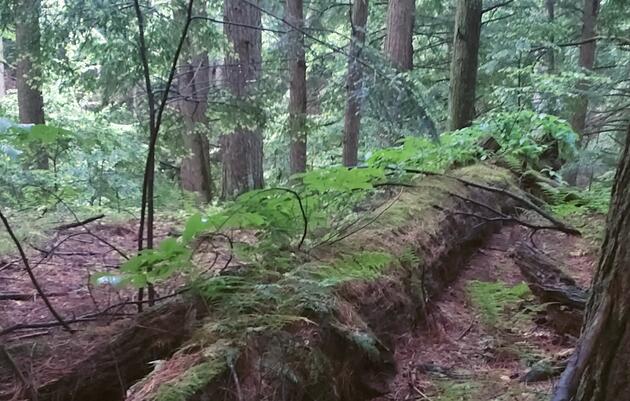
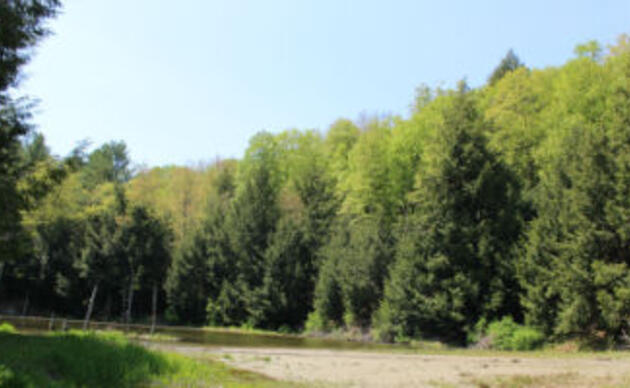
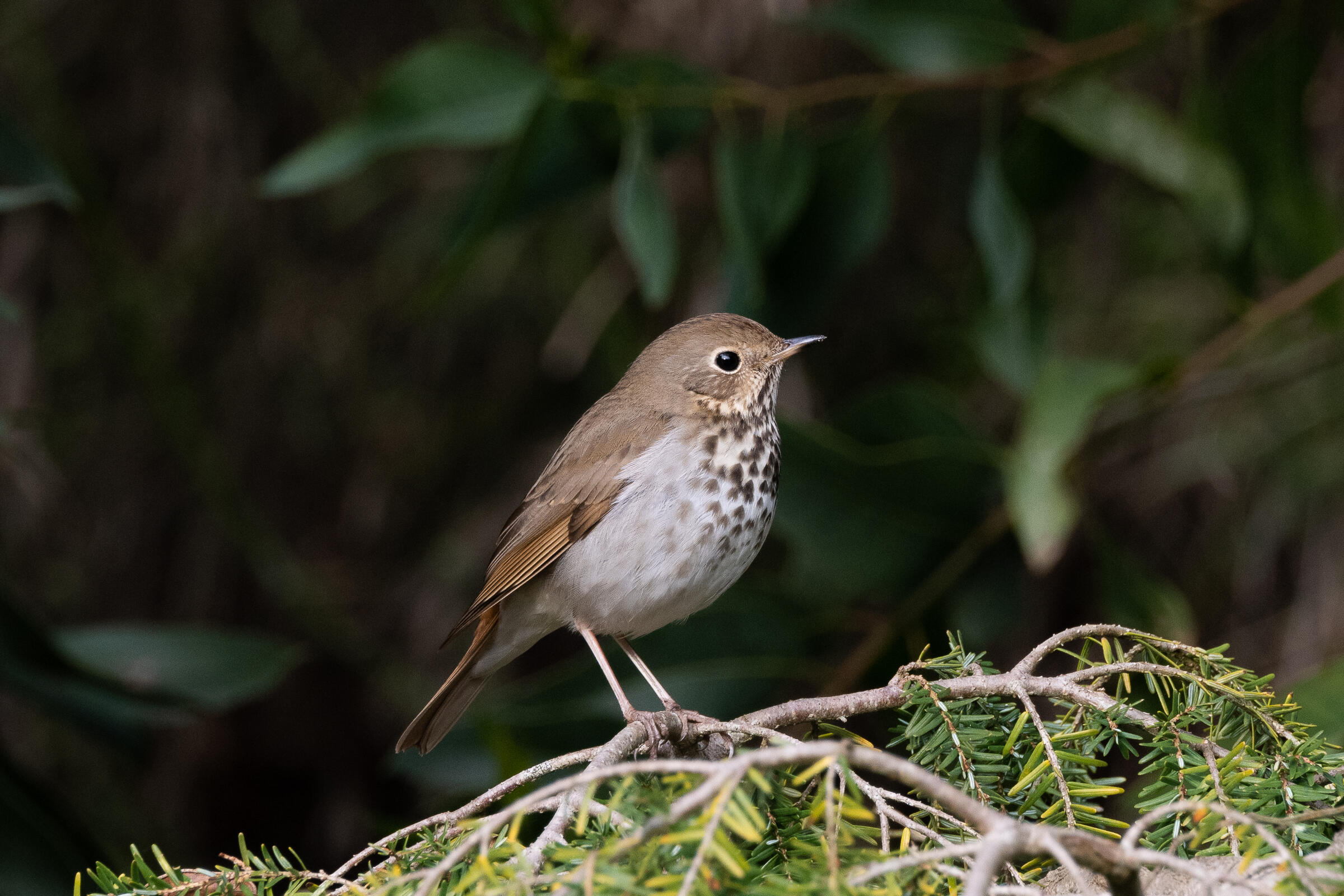
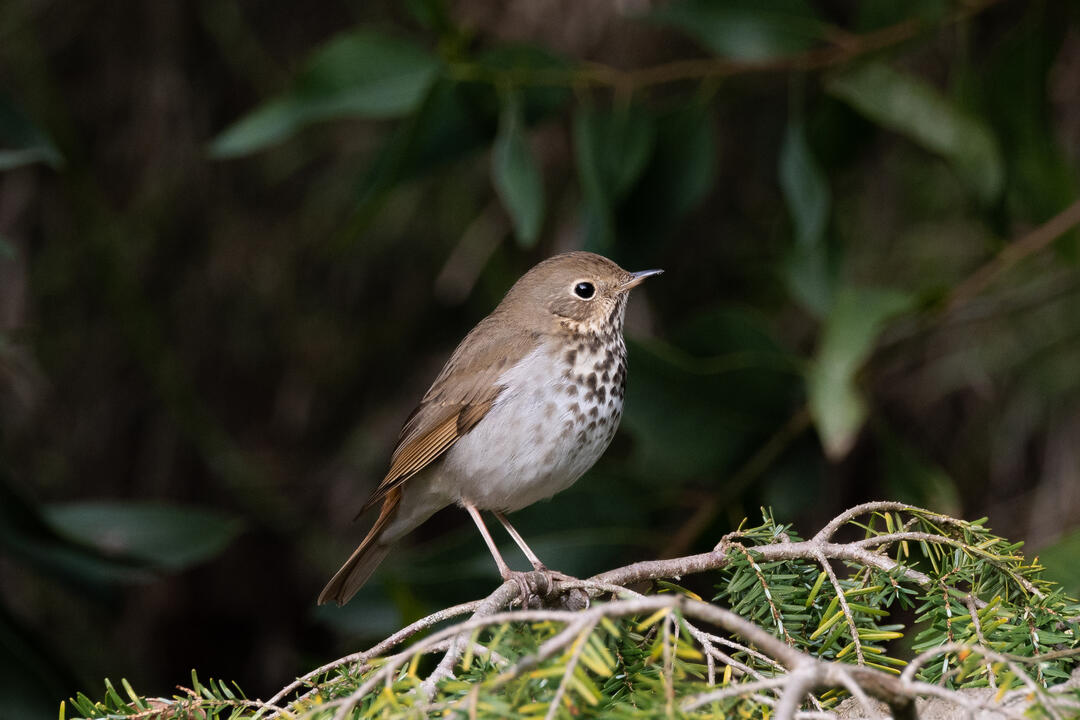
Aptly nicknamed the Green Mountain State, Vermont is beloved for its natural beauty. Our unique landscape is a tapestry of natural areas, working lands, cities, and towns. Vermonters value our environment and diverse ecosystems, both for their beauty and the services they provide—abundant fresh water, clean air, carbon sequestration, flood resilience, and more. Our forests, fields, and wetlands also provide critical habitat for a diversity of wildlife including migratory birds like the Hermit Thrush—our state bird.
Vermont has set ambitious goals to conserve 30 percent of the state’s landscape by 2030 and 50 percent by 2050 under Act 59, a landmark conservation law passed in 2023. As part of this effort, the Vermont Housing and Conservation Board and Agency of Natural Resources are developing a statewide Conservation Plan that will outline strategies to maintain an ecologically diverse and climate resilient landscape in Vermont. Supporting biodiversity, healthy watersheds, natural areas, and critical habitat alongside compact residential development and working lands benefits both birds and diverse public values.
Act 59 includes two phases. Phase one, now complete, found that 27 percent of Vermont’s landscape is conserved—leaving roughly 180,000 acres to protect by 2030 to meet the state’s goals. Phase two, currently underway, is focused on the development of the Vermont Conservation Plan. The Plan will include conservation pathways and actions under three broad objectives: Centering Vermont Conservation Design, Advancing Conservation in Communities, and Strengthening Conservation Capacity. Audubon Vermont is informing the planning process as a member of a Technical Advisory Committee (TAC).
Partnering with Landowners and Public Land Managers
Land conservation and stewardship are important tools for maintaining habitat for birds and biodiversity. Vermont landowners have diverse goals, from supporting working lands to wildlife habitat and natural areas. When landowners engage in conservation, the benefits can extend well beyond individual properties—supporting wildlife populations, clean water, flood resilience, recreation, working lands, and the health of natural areas across our communities.
Not all landowners have access to the tools they need to meet their conservation goals. Audubon Vermont supports landowners by providing science-backed conservation strategies through our Forest Landowner Assistance, Bird and Bee Friendly Farms, and Bird-Friendly Maple Projects. We believe that land conservation policies should be equitable and benefit a wide range of people and communities. Act 59 and the associated Conservation Plan will help shape how communities and the state of Vermont can work proactively with diverse landowners to support and fund land conservation.
Get Involved
Help us shape the Conservation Plan! The Act 59 process has many opportunities for the public to weigh in and provide feedback. Track the project portal for ways to stay involved. Your participation helps ensure that Vermont’s future supports both people and wildlife—keeping our lands and forests intact, our waters clean, and our communities vibrant.