Black-throated Blue Warbler
Latin: Setophaga caerulescens
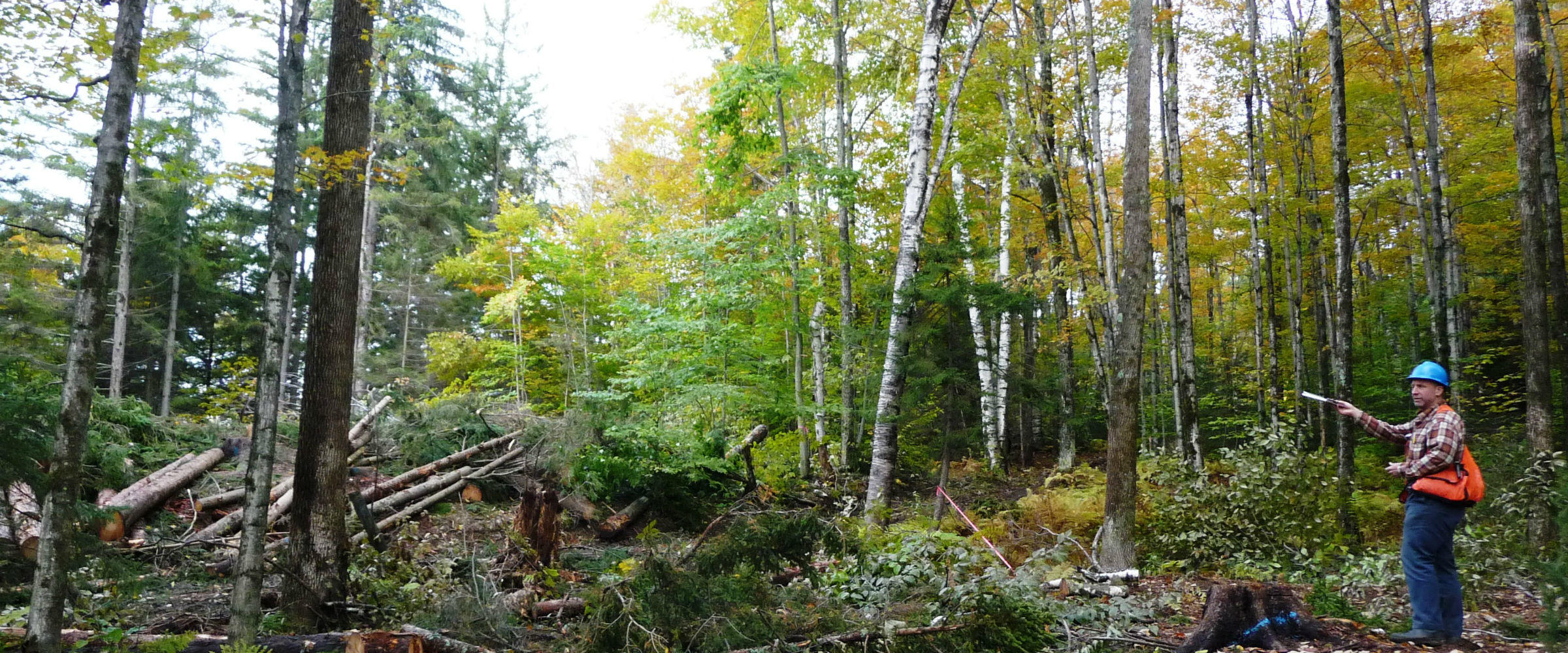
Why Forest Birds? We work directly with landowners, foresters, and other partners to support forest management and policy that benefits the suite of responsiblity birds in Vermont and along the Atlantic Flyway.
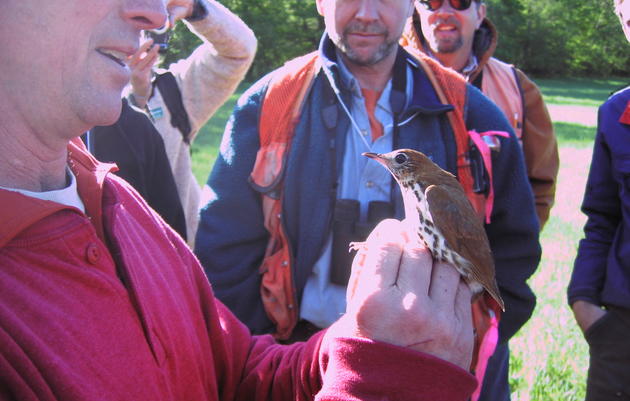
Parent program for what are now Audubon Vermont's Woods, Wildlife and Warblers program and Forester Training and Endorsement program.
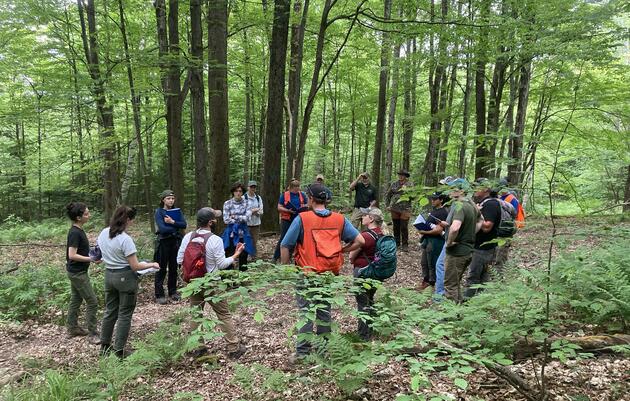
Creating a national network of professional foresters working in partnership with Audubon to promote healthy forest ecosystems that provide high-quality habitat for priority bird species, at scale.
Vermont’s forested landscape is well known for its year-round outdoor recreational opportunities, brilliant fall foliage, the world’s best maple syrup, and… bird habitat! Every summer forests around the Green Mountain state resound with the some of the greatest diversity of bird song found anywhere in the US. Migratory songbirds, including Wood Thrush and Black-throated Blue Warbler, and resident species alike look to find high-quality habitat for successfully raising their young. Audubon Vermont’s Healthy Forests programs provide opportunities for all Vermonters; from landowners and land managers to consumers and legislators and everyone in between, to be part of globally important bird conservation efforts.
Help secure a future for birds at risk from climate change, habitat loss and other threats. Your support will power our science, education, advocacy and on-the-ground conservation efforts.
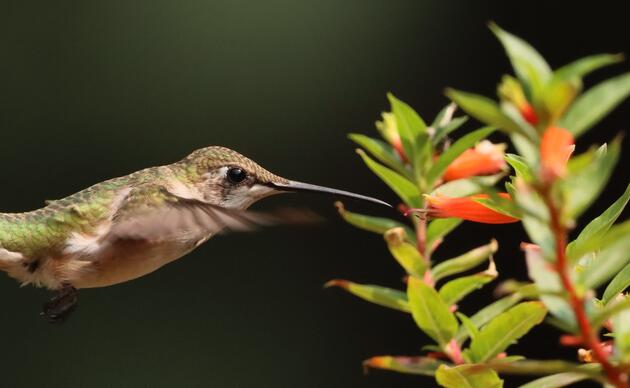
It's always a good time to visit the Audubon Center. Trails are open to the public year-round. Visit us daily from dawn until dusk! Donations are appreciated.
Adults, preschoolers, foresters, photographers, sugarmakers and families will all find opportunities to connect with nature.